
Trigger sensitivity of lightweight trigger handles: Precise control over cutting depth
Trigger sensitivity of lightweight trigger handles: Precise control over cutting depth is a critical requirement for many power tool users during detailed operations. Cross-border buyers and B2B clients specializing in woodworking, renovation, and thin metal cutting often encounter issues like accidental deep cuts from trigger tremors, resulting in material waste. Alternatively, they may experience a dull feel, making precise control difficult despite intent. End-users dread rework delays. This article breaks down how trigger sensitivity impacts cutting accuracy and guides you in selecting the right lightweight trigger grip. After reading, you’ll identify which tools suit precision work and avoid pitfalls like “seemingly responsive but erratic in use.” Below, we cover principles and real-world testing insights.
I. What is Trigger Sensitivity? Why Does It Directly Affect Cutting Depth Control?
Trigger sensitivity refers to how quickly the motor responds once pressure is applied to the trigger. High sensitivity means it activates with a light touch. Low sensitivity requires pressing further before activation.
Cutting depth relies on the coordination of speed and feed rate. Speed comes from motor RPM, while feed rate is controlled by trigger travel. High sensitivity enables precise, incremental feed adjustments.
Case Study: A German precision furniture factory used high-sensitivity lightweight trigger-controlled circular saws for thin-panel cutting. Rework rates dropped from 6% to 0.8%. Master craftsmen reported the tools “followed their hand movements,” eliminating the need for secondary trimming.
User Query: Does high sensitivity increase accidental activation?
Yes. Thus, quality triggers feature dual-stage activation or lock buttons. Light press initiates start, firm press achieves full speed. Prevents misfires while preserving precision.
Key Points:
• Sensitivity ≠ faster is better. Depends on application. Fine cutting requires linear response.
• Trigger spring tension and travel distance determine initial pull feel.
• Handle contours to palm for even pressure distribution. Minimizes hand tremor interference.
Lightweight electric handle design, power tool trigger response control, cutting depth micro-adjustment techniques. For precision work, this tactile feedback is the first hurdle.
II. How does lightweight trigger grip structure impact sensitivity and stability?
The grip isn’t just a shell. Internally, it houses trigger switches, springs, and transmission components. Compact layout minimizes dead travel and lag.
Lightweight design prioritizes reduced weight without compromising rigidity. Common materials include engineering plastics + fiberglass or lightweight alloy frames. The grip feels snug, ensuring force is applied precisely without deviation.
Case Study: A North American construction crew switched to lightweight electric shears featuring integrated injection molding with metal inserts. Straight-line cutting deviation decreased from ±1.2mm to ±0.4mm. Workers reported “less hand fatigue and more consistent cuts.”
User Concern: Does reduced weight make the trigger feel unstable or prone to slipping?
Yes, if the surface is too slippery or the grip diameter is uncomfortable. Opt for models with anti-slip texture and moderate grip diameter. Provides stable control even with gloves.
Key structural considerations:
• Wear-resistant switch contacts. Prevents failure from frequent use.
• Adjustable spring preload. Accommodates varying finger strength.
• Center of gravity positioned near palm. Reduces fatigue during extended use.
Ergonomic power tool grips, lightweight trigger handle stability, precision cutting accessories for circular saws—helping B2B clients find the perfect tool.
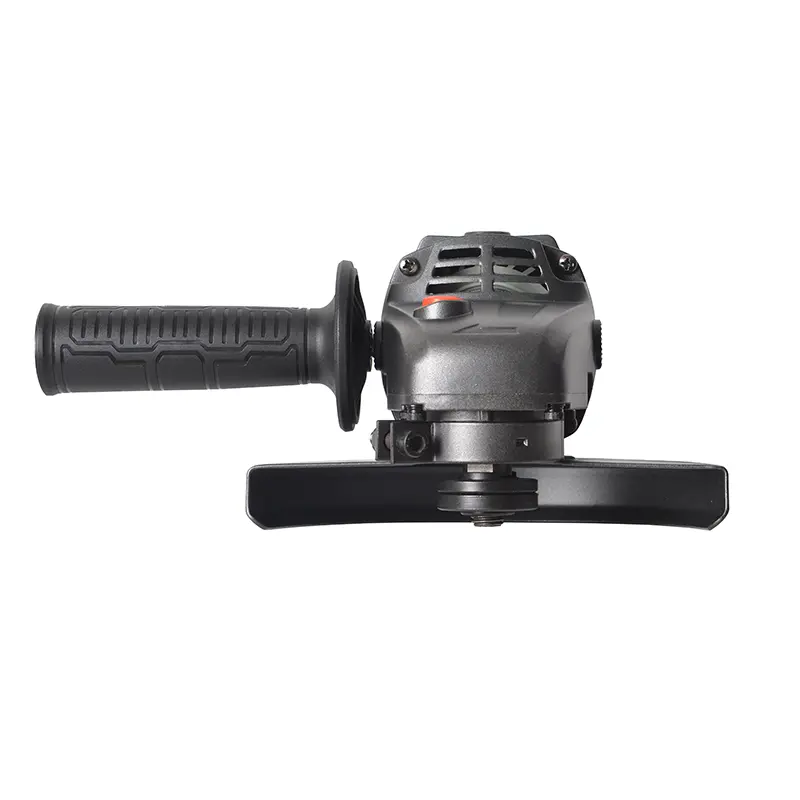
III. How to Match Sensitivity to Different Work Conditions? Avoid “One-Size-Fits-All” Tool Selection
Work conditions vary greatly in sensitivity requirements. Fine wood finishing demands precise control. Steel structure cutting can tolerate slightly less sensitivity to prevent accidental activation and ensure safety.
High-sensitivity triggers may underperform in dusty environments or with thick gloves. Field testing is essential. Cross-border buyers should include sensitivity grading specifications before shipment.
Case Study: An Australian metal workshop initially used uniformly high-sensitivity triggers for cutting thick steel pipes. Accidental activation caused two minor injuries. Switching to high-sensitivity triggers for thin materials and low-sensitivity triggers for thick materials eliminated accidents.
User query: Can existing tools with unsuitable sensitivity be modified?
Some can be modified by replacing trigger assemblies or adjusting springs. However, due to electrical safety concerns, modifications should be performed by manufacturers or certified technicians.
Matching guidelines:
• Use high-sensitivity linear triggers for fine wood and thin aluminum.
• Use low-sensitivity triggers with lock-off for thick steel and concrete.
• For cold environments, select springs with good low-temperature elasticity.
Matching sensitivity to power tool operating conditions, adjusting trigger grip safety, and selecting triggers based on cutting precision enable cross-border procurement to precisely meet customer needs.
IV. Practical Calibration and Maintenance—Ensuring Long-Term Sensitivity Stability
A new wrench’s sensitivity doesn’t guarantee lasting performance. Dust and grease dull contacts. Springs weaken with prolonged use.
Regularly clean switch crevices with compressed air or a soft brush. Apply minimal specialized grease—avoid oil contact with contacts.
Case Study: A domestic rental company conducted weekly inspections on power tools, correcting trigger sensitivity deviations. Within six months, customer complaints dropped by 40%, and tool circulation improved.
User Question: Can sensitivity be self-tested?
Yes. With the tool idle, apply consistent pressure and note the travel difference between startup and full speed. Compare against identical models to identify anomalies.
Maintenance Recommendations:
• Store in a dry environment to prevent contact oxidation.
• Avoid forcefully striking the trigger to prevent internal component displacement.
• Train users in proper trigger technique to minimize unnecessary wear.
These small habits keep the trigger sensitivity of lightweight handles consistently responsive and ensure stable cutting depth.
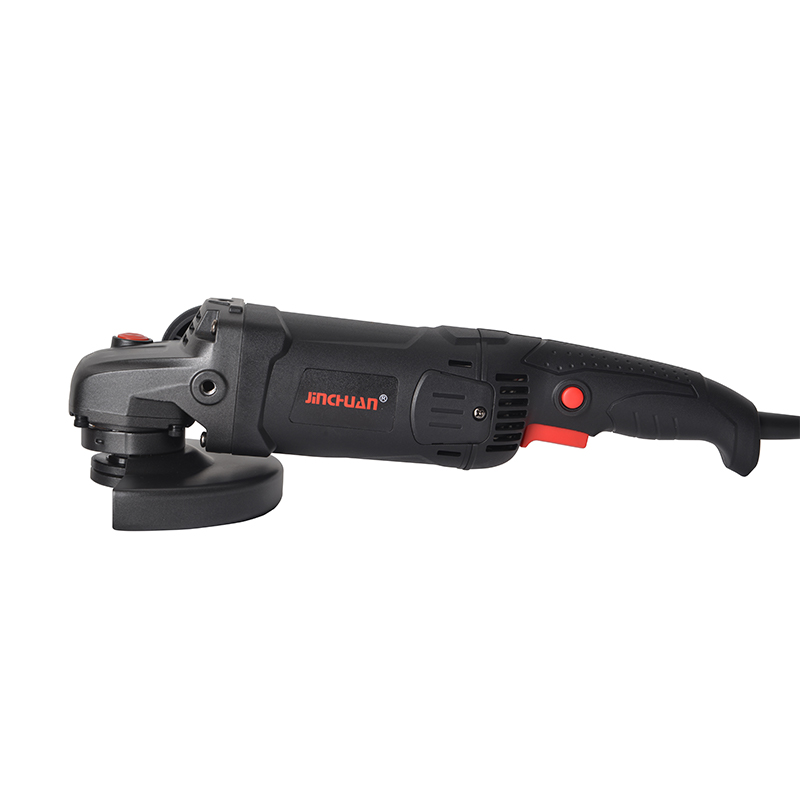
FAQ Section
Q1: Is high sensitivity unfriendly for beginners?
A1: Possibly. Beginners should opt for dual-stage triggers or models with adjustable sensitivity—prioritize stability before precision.
Q2: Does trigger travel length affect sensitivity?
A2: Yes. Shorter travel offers quicker response but requires more precise force application. Choose based on overall feel.
Q3: Are lightweight trigger grips interchangeable across brands?
A3: Generally not. Interfaces and circuitry differ. Requires matching models or conversion kits.
Trigger sensitivity in lightweight trigger grips: Precise control over cutting depth isn’t just about feel—it’s the intersection of precision work and safety assurance. For cross-border buyers, end consumers, and B2B clients, understanding its principles and matching methods helps avoid selection pitfalls, making tools truly “obey” commands. This is why high-sensitivity lightweight trigger grips continue to thrive in the premium power tool market.
Post time: Jan-06-2026