
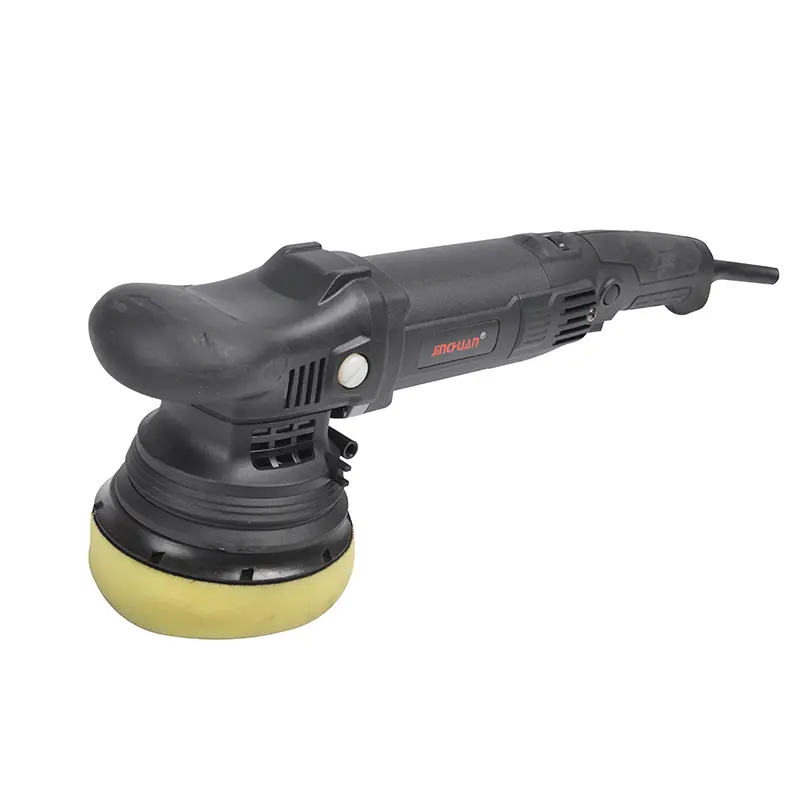
In the modern manufacturing and finishing fields, the demand for multi-material processing capabilities is increasing day by day. From the sharp luster of metal to the warm texture of wood, and then to the uniform form of plastic, each material poses unique requirements for surface treatment processes. As a key tool for achieving fine surface effects, the core technology of the track polishing machine – the frequency conversion function – is becoming the cornerstone for addressing such diverse challenges and realizing an intelligent solution of “one machine with multiple uses”.
The Art of Precise Control: How does Frequency Conversion Technology Work
The core of the frequency conversion function lies in the precise electronic control of the motor speed. Traditional polishing machines usually operate at a fixed speed, while variable frequency technology enables operators to make stepless adjustments within a wide range of speeds. This adjustment is not merely a simple change in speed; it means that the tool can dynamically output the most suitable polishing power and movement frequency based on the physical properties of the material.
Through the built-in microprocessor, the frequency conversion system can monitor the motor load in real time and quickly adjust the current and frequency to maintain the set rotational speed. This not only ensures a constant rotational speed when in contact with materials of different hardness, but also brings multiple advantages such as smooth start-up and precise torque control, laying a solid technical foundation for cross-material operations.
Dealing with Material Diversity: Practical Analysis of Frequency Conversion Function
Due to differences in hardness, thermal conductivity, toughness and other properties, different materials have completely different requirements for polishing processes. The excellence of the variable-frequency track polishing machine lies in its ability to precisely match the speed to meet these diverse demands.
Metal surface treatment: Pursue perfect luster
Metal polishing, especially for the treatment of car paint surfaces, stainless steel or aluminum alloys, is necessary to avoid burning the surface coating due to overheating. When dealing with such materials, the operator can increase the speed to medium to high and use appropriate grinding agents to achieve efficient cutting force and gloss. The frequency conversion function ensures that the rotational speed remains stable under high load, preventing surface scratches caused by stalling. When performing fine mirror finish, it can be adjusted to a low speed for gentle grinding, perfectly controlling heat accumulation and thus presenting a flawless lustrous effect.
Fine grinding of wood surface: Protecting the fine texture
Wood is a living material. Excessive radical treatment can burn the surface or tear open wood grain. When dealing with woodwork, furniture or Musical Instruments, what is needed is a gentle and even polishing. At this point, it is crucial to set the variable frequency polishing machine in the low-speed range. Low-speed operation can effectively reduce frictional heat, prevent the paint surface from softening or the wood from discoloring, and at the same time ensure that the grinding particles can smoothly treat the surface without damaging the natural grain of the wood, laying a perfect foundation for subsequent painting or oiling.
Plastics and composite materials: Avoid deformation and damage
Plastic materials have relatively low hardness and poor thermal conductivity, and are highly sensitive to heat. The frictional heat generated by excessively high rotational speeds can easily cause plastics to soften, deform or even melt. The frequency conversion function here demonstrates its irreplaceable value – allowing users to start and operate stably at extremely low speeds. This gentle treatment method can effectively remove scratches, perform matte finishing or prepare for bonding surfaces, while fully protecting the structural integrity of the workpiece and avoiding the loss of expensive defective products.
Beyond Rotational speed: The comprehensive benefits brought by frequency conversion technology
The benefits brought by the frequency conversion function go far beyond material adaptability. Its smooth start-up feature (soft start) can prevent the sudden twisting of the tool from causing impact damage to the workpiece surface. Precise speed control also means less material waste and a higher success rate of the first piece. For professional users, this flexibility directly translates into higher work efficiency, a broader scope of business undertaking, and ultimately better product quality.
Post time: Dec-01-2025