How Distributors in the Middle East Avoid Risks When Sourcing 180mm/230mm Trigger Grip Angle Grinders: Tips to Identify Poor-Quality Motors
- Core Pain Points for Sourcing 180mm/230mm Angle Grinders in the Middle East: Industry Risks of Substandard Motors
- Key Features of Low-Quality Angle Grinder Motors: Dual Problems of Material Cutting Corners & Poor Craftsmanship
- Initial Screening by Appearance & Labeling: Basic Tips to Quickly Spot Inferior Motors
- Core Practical Testing Methods: Evaluating Motor Performance Under No-Load & Load Conditions
- Motor Winding Material Identification: Accurate Ways to Distinguish Pure Copper, Aluminum & Copper-Aluminum Cores
- Middle East Working Condition Adaptability Verification: Matching Motor Performance to High-Temperature & Dusty Environments
- FAQs
- Conclusion
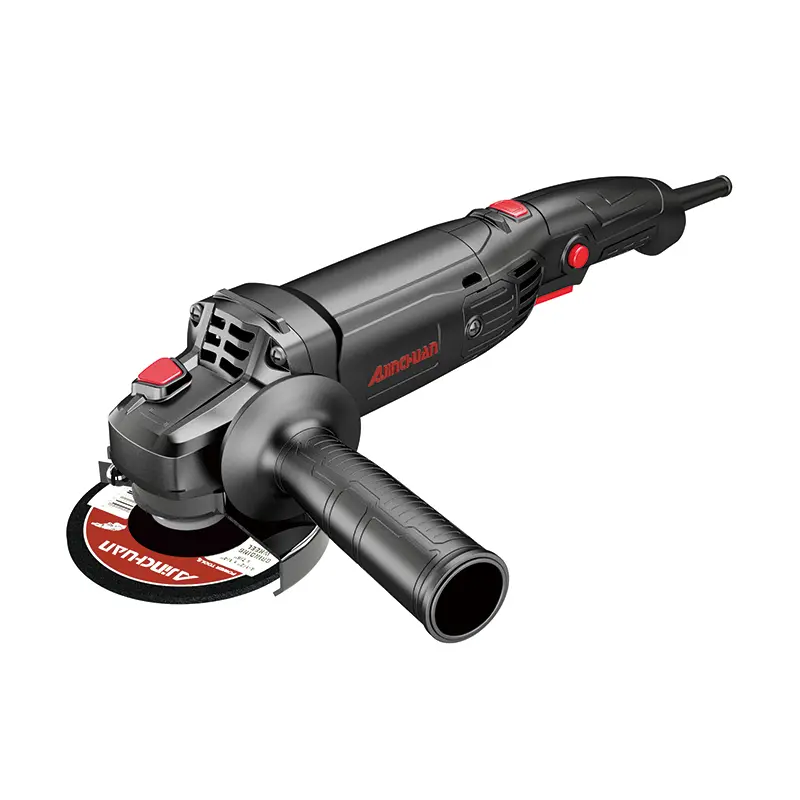
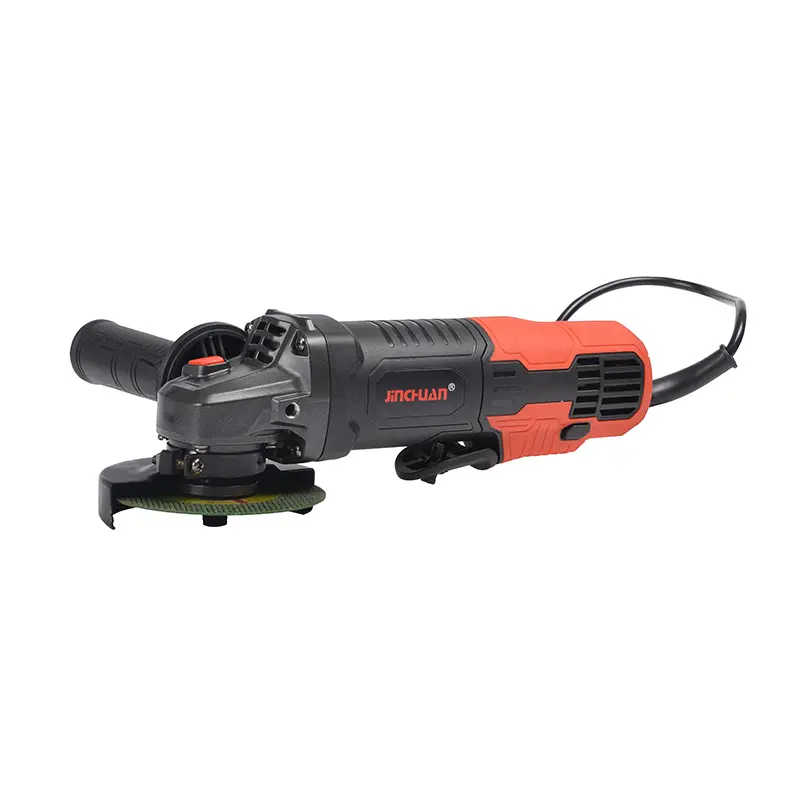
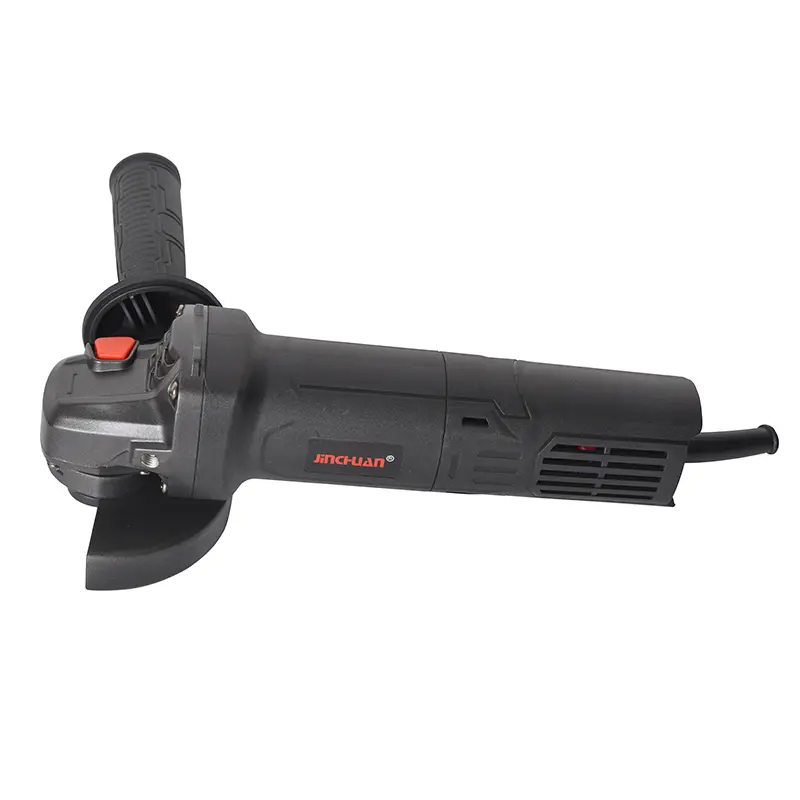
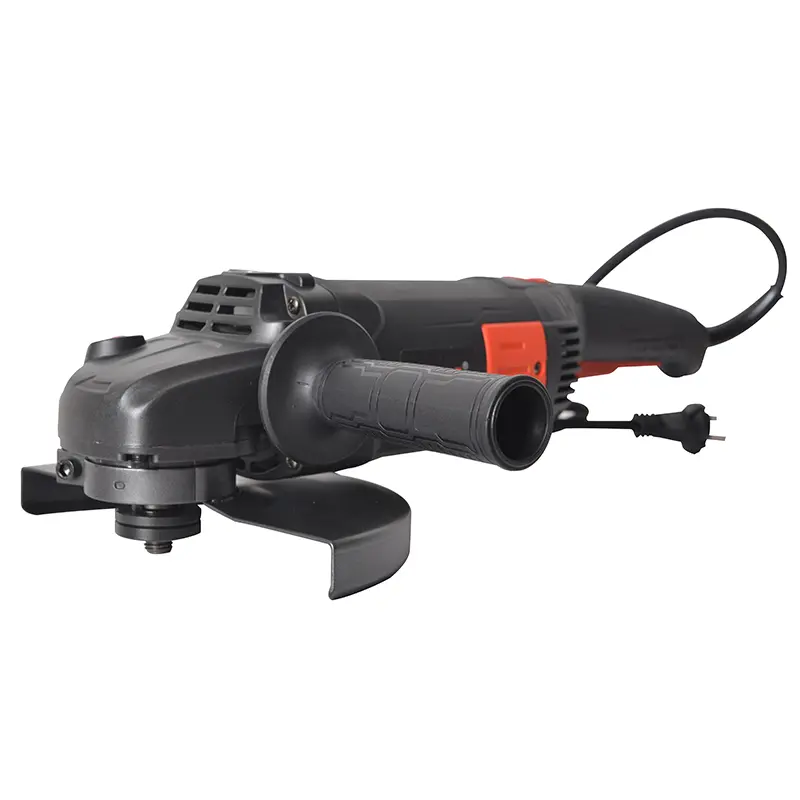
In the Middle East power tools market, 180mm/230mm general-purpose trigger grip angle grinders have become essential tools in construction, metalworking, infrastructure development and other fields due to their high torque and strong versatility. As the core power component of an angle grinder, the motor quality directly determines the tool’s service life, working efficiency and operational safety.
For Middle East power tools distributors, identifying inferior motors during procurement is critical to avoiding business risks and protecting supply chain reputation. Mastering scientific methods to spot poor-quality motors — through multi-dimensional verification of appearance, actual performance and material composition — helps prevent low-quality purchases, ensures adaptability to the Middle East’s high-temperature, dusty and heavy-duty working environment, and builds a solid quality defense for distributors.
1. Core Pain Points for Sourcing 180mm/230mm Angle Grinders in the Middle East: Industry Risks of Substandard Motors
The industrial operating environment in the Middle East is characterized by high temperatures, heavy dust and continuous heavy-duty use, placing strict demands on the motor performance of
180mm/230mm angle grinders. The influx of inferior motors not only causes direct financial losses for distributors but also compromises end-users’ efficiency and safety, ultimately damaging the distributor’s market reputation.
In Middle Eastern working conditions, inferior motors have a far higher failure rate than qualified products, with typical issues including insufficient power, poor heat resistance and easy burnout. During heavy-duty tasks such as metal grinding and stone cutting, end-users frequently experience motor stalling, shutdowns or even burnout, delaying construction schedules and creating safety hazards such as electrical short circuits and overheating.
For distributors, low-quality motors lead to a sharp rise in after-sales returns and repairs, increasing logistics and maintenance costs. Frequent quality complaints also erode customer trust and harm long-term cooperation.
Moreover, as competition intensifies in the Middle East power tools market, cheap, low-quality angle grinders distort pricing structures. Distributors focused on quality risk losing premium clients if they mistakenly source substandard products. Establishing a standardized system to identify inferior motors has therefore become a core requirement for Middle East power tools distributors and a key strategy to maintain market competitiveness.
2. Key Features of Low-Quality Angle Grinder Motors: Dual Problems of Material Cutting Corners & Poor Craftsmanship
Poor-quality motors in 180mm/230mm trigger grip angle grinders mainly suffer from substandard materials and flawed manufacturing processes, both of which severely reduce performance, heat resistance and durability, making them unsuitable for Middle Eastern working conditions. These issues form the core basis for identifying inferior motors.
Material Shortcuts
The most common flaw is misrepresented winding material, where aluminum or copper-aluminum composite cores replace pure copper. Aluminum has much lower electrical conductivity and heat resistance than copper, leading to severe overheating and power loss under heavy loads.
In addition, low-grade, thin-gauge silicon steel sheets are used for the rotor and stator, resulting in low magnetic permeability, high iron loss and greatly reduced energy efficiency. Such motors produce loud noise and strong vibration at no load, and lack torque under load. Inferior motors also use low-precision, non-standard bearings with poor sealing, allowing dust from Middle Eastern sites to enter and cause jamming and accelerated wear.
Process Defects
Inferior motors often have irregular winding, insufficient turns or loose wiring, creating high electromagnetic interference and unstable speed. Large concentricity deviations between the stator and rotor increase friction, energy waste and severe body vibration.
Insulation treatment is also rough, with thin, poorly adhered insulation varnish that easily peels off at high temperatures, causing internal short circuits and motor burnout. These material and process flaws create visible differences in appearance and operation that support reliable quality screening.
3. Initial Screening by Appearance & Labeling: Basic Tips to Quickly Spot Inferior Motors
For Middle East power tools distributors, appearance and labeling inspection serves as the first line of defense in identifying inferior motors. It is simple, efficient and allows quick elimination of obviously low-quality products during bulk purchasing. Inspections focus on product labeling, body workmanship and motor end-cap details.
Product Labeling
Qualified
180mm/230mm angle grinder motors feature clear, standardized rating labels showing rated voltage, power, speed and frequency, matching Middle East grid conditions (typically 220V/50Hz). Logos are printed sharply, and official certification marks are present.
Inferior motors often have fuzzy, incomplete or fake labeling, with no manufacturer name or model. Many falsely overrate power and speed — for example, marking 1200W for an actual 800W motor — misleading buyers.
Body Workmanship
Genuine motors use thickened cold-rolled steel casings with smooth, durable coating, tight seams and stable connections. The trigger grip transitions smoothly with no burrs or gaps.
Poor-quality motors use thin, flimsy metal casings that deform under light pressure, with rough paint that chips easily, large gaps and loose grip connections that allow dust and water intrusion.
Motor End-Cap Details
Qualified motors use die-cast aluminum end caps with uniform thickness, precise bearing seats and complete, tightly fitted sealing gaskets to block dust.
Inferior end caps are made of low-grade cast iron or thin aluminum with visible casting defects, missing or degraded gaskets, allowing dust to damage bearings and windings.
4. Core Practical Testing Methods: Evaluating Motor Performance Under No-Load & Load Conditions
Appearance screening only eliminates obvious defects. Accurate motor quality assessment requires no-load and load testing, the core method to verify power, stability and heat resistance in line with real Middle East operating demands.
No-Load Test: Speed, Noise, Vibration & Temperature Rise
A qualified motor runs at stable no-load speed matching its rated specification:
- 180mm angle grinder: approx. 8480r/min
- 230mm angle grinder: approx. 6600r/min
It produces low, steady noise without shrill friction or electromagnetic howling, with minimal vibration. After 10 minutes of operation, the end cap and casing warm moderately, with temperature rise controlled within 40℃.
Inferior motors show unstable speed, harsh noise, strong vibration and obvious overheating within 5 minutes, often accompanied by a burning plastic smell.
Load Test: Simulating Heavy-Duty Middle East Operations
Using standard grinding and cutting discs for metal grinding or stone cutting, a qualified motor delivers strong, consistent torque without power drop, stalling or straining. After 20 minutes of use, heat distribution is uniform with no localized overheating, and cooling is rapid after shutdown.
Poor-quality motors suffer insufficient power, slow cutting, weak grinding and immediate stalling under resistance. The end cap becomes excessively hot quickly, risking insulation softening and failure.
5. Motor Winding Material Identification: Accurate Ways to Distinguish Pure Copper, Aluminum & Copper-Aluminum Cores
The motor winding is critical for power transmission, and winding material defines motor quality. A common trick among low-quality suppliers is replacing pure copper with aluminum or copper-aluminum composite windings — a major risk given the Middle East’s high-temperature, high-load environment. Four reliable identification methods are used:
Weight Comparison
For identical models and sizes, pure copper motors are significantly heavier:
- 180mm pure copper motor: approx. 5.7kg net weight
- 230mm pure copper motor: approx. 6.0kg net weight
A noticeably lighter motor almost certainly uses non-copper windings. Random sampling with an electronic scale helps eliminate substandard units.
Flame Test
After stripping insulation, a lighter flame easily melts aluminum (melting point ~660℃) but only reddens copper (melting point ~1084℃). This method is fast for sampling but requires fire safety precautions.
Visual Inspection
- Pure copper windings: bright purplish-red, stiff, tightly arranged
- Aluminum windings: dull silver-white, soft, loose wiring
- Copper-aluminum windings: visible joints prone to oxidation and blackening
White Paper Wipe Test
Wiping stripped copper windings with clean white paper reveals impurities. Black marks indicate low-purity copper with high iron/zinc content; a clean wipe confirms high-purity, quality copper.
6. Middle East Working Condition Adaptability Verification: Matching Motor Performance to High-Temperature & Dusty Environments
The Middle East’s extreme environment — summer temperatures above 45℃, heavy dust and voltage fluctuations — requires specially adapted 180mm/230mm angle grinder motors. Even generally qualified motors may fail without region-specific optimization.
Heat Resistance Verification
Middle East-adapted motors use Class H insulation varnish resistant to 180℃, supported by high-efficiency fans and densely ribbed casings for fast heat dissipation.
Standard motors use Class B insulation (130℃), which ages rapidly in Middle Eastern heat and often burns out.
Dust Protection Verification
Qualified motors feature a double-layer sealing structure, high-elastic rubber gaskets and bearing dust covers to block sand and dust.
Non-adapted motors have weak or missing seals, leading to internal abrasion and short circuits.
Voltage Stability Verification
Reliable motors support a wide voltage range of 180V–240V with over-voltage and under-voltage protection, suitable for unstable grids in parts of the Middle East.
Inferior motors lack protection and shut down or burn out during voltage fluctuations.
7. FAQs
Q1: What are the standard rated power and speed for 180mm/230mm angle grinder motors in the Middle East?
A1: 180mm models: 710W–1250W, no-load speed ~8480r/min. 230mm models: 1000W–1250W, no-load speed ~6600r/min. Values must match labeled specifications.
Q2: How to quickly identify inferior motors by appearance?
A2: Check unclear labeling, flimsy deformable casings, defective end caps and missing or loose gaskets — all signal poor quality.
Q3: What are typical signs of a bad motor during no-load testing?
A3: Unstable speed, shrill noise, strong vibration, overheating within 5 minutes and burning plastic odors.
Q4: What is the key to the flame test for winding material?
A4: Aluminum melts quickly under a lighter; copper only reddens. This reliably distinguishes copper from aluminum.
Q5: What insulation class is required for Middle Eastern high temperatures?
A5: Class H insulation (180℃) is essential. Class B (130℃) cannot withstand summer temperatures above 45℃.
Q6: When should weight deviation raise red flags in sampling?
A6: If weight deviates more than 10% from the standard 5.7kg (180mm) / 6.0kg (230mm), aluminum or copper-aluminum windings are likely used.
Q7: How to verify sufficient torque for Middle East applications?
A7: Under simulated heavy cutting/grinding, a quality motor maintains smooth power without stalling. Power loss or immediate shutdown indicates insufficient torque.
Q8: What dustproof design is required for Middle Eastern conditions?
A8: Double-layer sealing, high-elastic gaskets and bearing dust covers to prevent dust intrusion and internal wear.
8. Conclusion
For Middle East power tools distributors, avoiding risks when sourcing 180mm/230mm trigger grip angle grinders depends on mastering systematic methods to identify inferior motors. A full-quality inspection system — combining appearance screening, no-load/load testing, winding material identification and regional working condition adaptability checks — effectively reduces procurement risks and ensures consistent product quality.
As the heart of the angle grinder, the motor’s material and workmanship directly determine performance in the Middle East’s harsh environment. Inferior motors reduce efficiency, create safety hazards and raise after-sales costs, harming distributor reputation. By accurately distinguishing copper vs. aluminum windings, quality workmanship vs. poor craftsmanship and region-adapted vs. generic motors, distributors gain strong control over procurement.
In an increasingly competitive Middle East power tools market, product quality is the core competitive advantage. Mastering motor identification skills is not only essential for purchasing but also critical for building a reliable supply chain and earning customer trust.
With ongoing infrastructure development across the Middle East, demand for 180mm/230mm angle grinders will continue growing. Only by upholding strict quality standards in procurement can distributors achieve sustainable success in the long term.
#MiddleEastAngleGrinderSourcing #180mmAngleGrinderMotor #230mmTriggerGripAngleGrinder #PoorQualityMotorIdentification #CopperMotorTesting #AngleGrinderNoLoadTest #PowerToolsForMiddleEast #AngleGrinderLoadTest #PowerToolsDistributor #AngleGrinderMotorProtection
Post time:
Apr-02-2026