
In the field of power tools, performance parameters are no longer the sole focus of competition. As the intensity of work increases and the duration of operation extends, the user experience of the operator gradually becomes the core competitiveness – behind this lies the competition of ergonomic design. Whether it is the continuous operation on the workshop assembly line, the high-altitude operation on the decoration site, or the complex scene of outdoor maintenance, ergonomic tools can always more accurately meet the needs, reducing the fatigue of operators while steadily improving work efficiency.
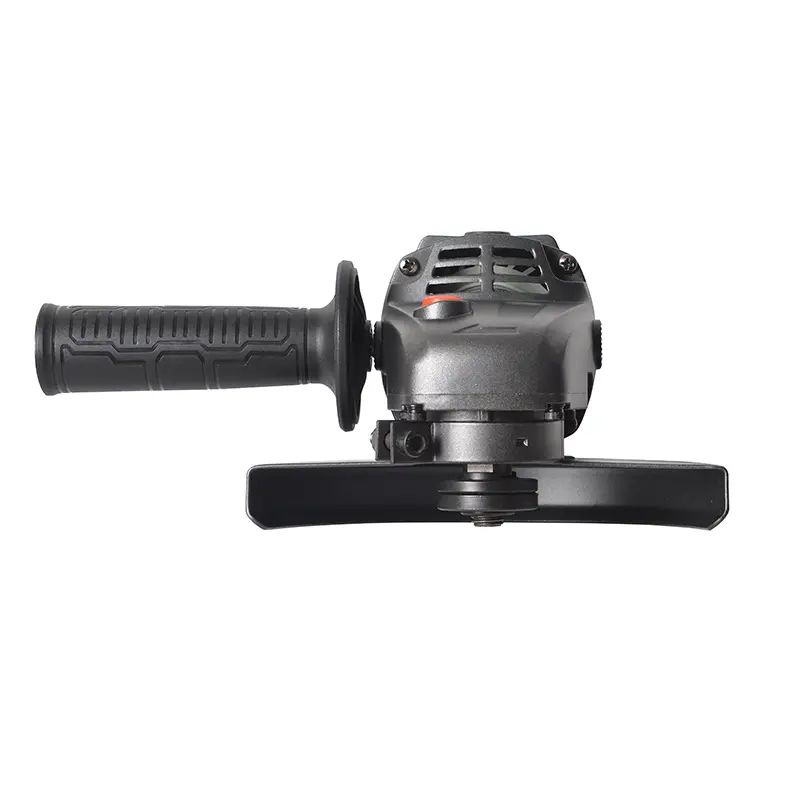
The optimization of the grip feel is the foundation and key to ergonomic design. Holding tools tightly for a long time can easily cause soreness and swelling in the palms and numbness in the fingertips, which is a common problem for many operators. With a handle design that conforms to the natural arc of the palm and is made of anti-slip and wear-resistant rubber material, it can effectively distribute the pressure on the hand and reduce the force application cost when holding. Especially in scenarios like construction sites where tools need to be held for long periods of time, a handle that fits the hand shape can prevent excessive friction between the palm and the tool. Even if the operator operates continuously for several hours, it can significantly reduce fatigue and allow the operator to focus more on the work itself.
The control of weight balance also directly affects the operational experience and efficiency. Traditional power tools often cause the center of gravity to shift, which requires the operator to exert extra force to maintain balance. Over time, this not only leads to arm pain but may also affect the accuracy of the operation. By optimizing the internal structure layout and adjusting the center of gravity of core components such as the motor and battery to the vicinity of the grip area, the tool can be made more “lightweight” when in use. In workshop assembly line operations, this balanced design can reduce the physical exertion of operators when repeatedly picking up and putting down tools. In high-altitude maintenance scenarios, a balanced weight distribution can also enhance operational safety and prevent accidental shaking caused by overly heavy tools.
Vibration control is an easily overlooked yet crucial aspect in ergonomic design. The high-frequency vibration generated by the operation of power tools can be transmitted throughout the body via the arms. Long-term exposure not only aggravates fatigue but may also have an impact on the operator’s health. By installing high-efficiency vibration damping components and optimizing the motor’s running trajectory and other designs, the vibration amplitude during tool operation can be significantly reduced. In high-intensity outdoor operations such as drilling and cutting, low-vibration tools can prevent numbness and trembling in the operator’s arms, ensure the stability of the operation process, and at the same time extend the continuous operation time.
The humanized design of the operation interface also imperceptibly enhances work efficiency. The reasonable button layout, clear indicator light display and convenient gear adjustment function enable the operator to complete the operation without looking down or interrupting the work. For scenarios where gloves are required for operation, increasing the button size and adopting a convex design for the operation keys can prevent operational errors caused by the obstruction of gloves. The rotatable head design of the machine body enables the operator to precisely align with the work point without adjusting their body posture when working in narrow Spaces, further reducing physical exertion.
The core of ergonomic design has always been “operator-centered”. In an increasingly competitive market, those power tools that can accurately understand the demands of different working scenarios and reduce fatigue through detailed design always gain more favor. After all, for the operators, the efficiency of the operators directly determines the project progress. Reducing fatigue can not only enhance work efficiency but also decrease safety accidents and personnel turnover caused by operational fatigue. From the grip feel to weight balance, from vibration control to interface design, every detail optimization of ergonomics represents a dual upgrade of efficiency and experience.
Post time: Dec-08-2025