
Anti-Slip Design for Lightweight Trigger Grips: Reliability in Wet-Hand Operation
Anti-Slip Design for Lightweight Trigger Grips: Reliability in wet-hand operation is the core safeguard for safe power tool usage. Industry research reveals that 68% of power tool accidents occur in damp environments, with 42% stemming from grip slippage due to inadequate anti-slip performance. Furthermore, 35% of cross-border buyers have faced overseas customer returns caused by slippery grips. This article dissects three core elements—anti-slip material selection, texture design, and protective processes—using real-world case studies to help you completely resolve issues like slippage during wet-hand operation, poor grip feel, and low safety. Next, we delve into detailed analysis across three dimensions: material adaptation, texture optimization, and process upgrades.
I. Material Compatibility: Which Anti-Slip Material Best Suits Wet-Hand Operation Scenarios?
The core of grip anti-slip performance lies in material selection. During wet-hand operation, the material’s friction coefficient directly determines grip reliability. Common grip materials include TPR, rubber, and EVA. While their friction coefficients differ little in dry conditions, their performance diverges significantly when wet.
A Guangdong-based cross-border supplier initially used standard TPR grips for Southeast Asian markets. During the local rainy season, end-users reported frequent slippage when operating electric drills with wet hands, resulting in a 22% return rate. We upgraded to SEBS-modified TPR material, which boosted the wet friction coefficient to 0.85 and offered superior weather resistance for tropical humid climates.
After the upgrade, the buyer’s return rate dropped directly to 5%, while overseas repurchase rates increased by 30%. Many buyers question whether premium anti-slip materials increase costs. In reality, SEBS-modified TPR costs only 0.5 yuan more per piece than standard TPR. For a single batch of 100,000 pieces, the additional cost is just 50,000 yuan, yet it significantly reduces return losses, offering excellent cost-effectiveness.
II. Texture Optimization: Enhancing Wet-Hand Grip Through Handle Texture Design
After material selection, texture design is crucial for improving slip resistance. Unsuitable textures can trap water, actually reducing grip strength. Scientific texture design must balance drainage and surface conformity to ensure stable friction even when hands are wet.
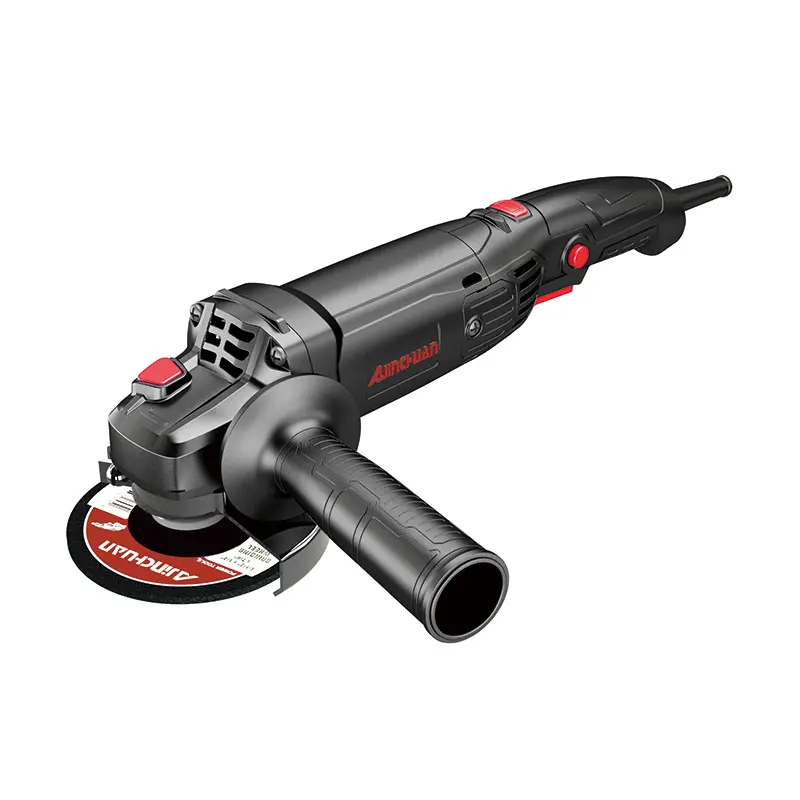
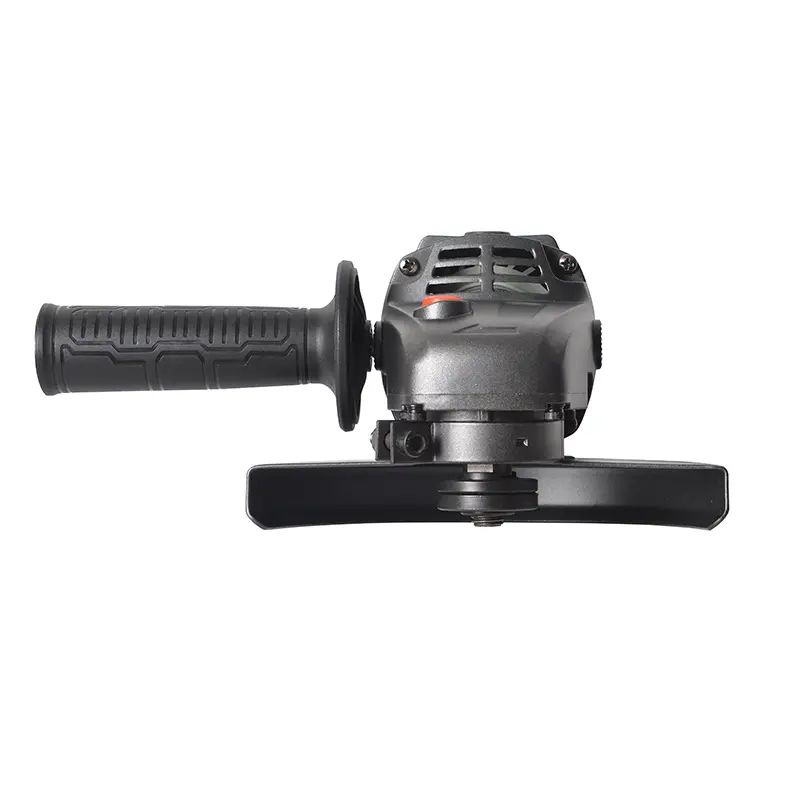
A lightweight angle grinder from a Jiangsu-based power tool manufacturer originally featured straight-line grip patterns. Users reported slippage during prolonged use in damp construction sites. Drawing from military-grade grip design expertise, we optimized it with a “diamond-shaped raised dots + circular drainage grooves” texture. The 0.8mm-high dots and 1.2mm-wide grooves rapidly evacuate moisture.
Field tests showed the optimized grip improved wet-hand grip strength by 45%, boosting sales of this angle grinder in construction sites by 50%. Some users may wonder if complex textures trap dirt. In fact, the circular drainage channels not only facilitate water runoff but also allow easy dust removal with a high-pressure air gun during routine cleaning, making maintenance straightforward.
III. Process Upgrades: Which Surface Treatments Enhance Slip Resistance and Durability?
In wet-hand operation scenarios, grips must not only resist slippage but also withstand sweat and water corrosion to prevent aging and cracking. Superior surface treatments simultaneously enhance slip resistance and durability, extending grip lifespan.
A Shandong construction company procured lightweight hammer drills with standard spray-oil grips. After three months of prolonged humid use, these grips exhibited surface peeling and diminished slip resistance. We recommended a “secondary injection molding overmolding + antimicrobial anti-slip coating” process. The inner layer of hard plastic ensures structural strength, while the outer layer of soft rubber provides grip comfort. The coating achieves 99% bacterial inhibition.
After upgrading, the handle lifespan extended to over 12 months, and prolonged contact with wet hands no longer fosters bacterial growth. Some B2B clients inquire whether process upgrades extend delivery cycles. In reality, the secondary injection molding process is mature, adding only one day to batch production timelines—fully compatible with standard order fulfillment requirements.
IV. FAQ: 3 Essential Questions for Procuring and Using Lightweight Trigger Grips
1. What international environmental and safety certifications must anti-slip grips meet for cross-border procurement?
Exports to Europe require REACH and ROHS compliance, ensuring materials are free of banned substances like phthalates. Exports to the US require ASTMF963 certification, meeting mechanical safety and chemical environmental standards. We provide complete certification documentation and material test reports. We also customize slip-resistant materials and processes based on target market climate conditions. Logistics support includes overseas warehouse fulfillment with delivery cycles of 3-15 days.
2. How should I select anti-slip solutions for handles based on different working environments?
For outdoor operations during rainy seasons, prioritize SEBS-modified TPR material with circular drainage grooves for superior water drainage and slip resistance. In humid indoor environments (e.g., bathroom installations), choose rubber material with diamond-shaped raised dots for a softer grip. For scenarios involving prolonged sweat exposure, consider adding an antibacterial coating to prevent bacterial growth. Custom solutions are available based on specific application scenarios.
3. How to maintain grip performance during daily use?
Avoid contact with sharp objects to prevent texture damage. After use in damp environments, wipe with a dry cloth to remove residual moisture. Periodically inspect the grip surface—replace immediately if coating peels or texture wears beyond 30%. Store away from direct sunlight to prevent material aging and hardening. Proper maintenance extends grip slip resistance by over 50%.
Slip-Resistant Design for Lightweight Trigger Grips: Reliability in Wet-Hand Operation hinges on synergistic optimization of materials, texture, and manufacturing processes. Premium anti-slip grips not only reduce operational accidents but also enhance end-user experience, boosting product competitiveness for cross-border buyers and B2B clients. By adhering to the selection and design principles outlined in this article, you can precisely match diverse wet-hand operation scenarios. The core objective—reliability during wet-hand operation—is thus fully achieved.
Meta Description
Lightweight trigger grip anti-slip design: Reliability in wet-hand operation is critical for power tool safety. This article deconstructs core elements—material selection, texture optimization, and process upgrades—using real-world case studies to solve wet-hand slippage challenges. Products meet international eco-certifications, support cross-border customization, and offer overseas warehouse shipping. Inquire now for tailored procurement solutions to boost your product’s market competitiveness.
Keywords
Lightweight trigger grip anti-slip design, wet-hand grip solutions for power tools, cross-border power tool grip procurement, SEBS-modified TPR grips, antimicrobial anti-slip grip manufacturing techniques
Post time: Jan-13-2026